
Delhi offices face unique HVAC safety due to extreme heat, severe air pollution, and stringent regulations like GRAP protocols and National Building Code (NBC) 2016 guidelines. Proper HVAC maintenance isn’t just about comfort—it’s critical for employee health, fire safety, and regulatory compliance. Poorly maintained systems can spread contaminants, cause electrical fires, or fail during peak summer loads, leading to costly downtime.
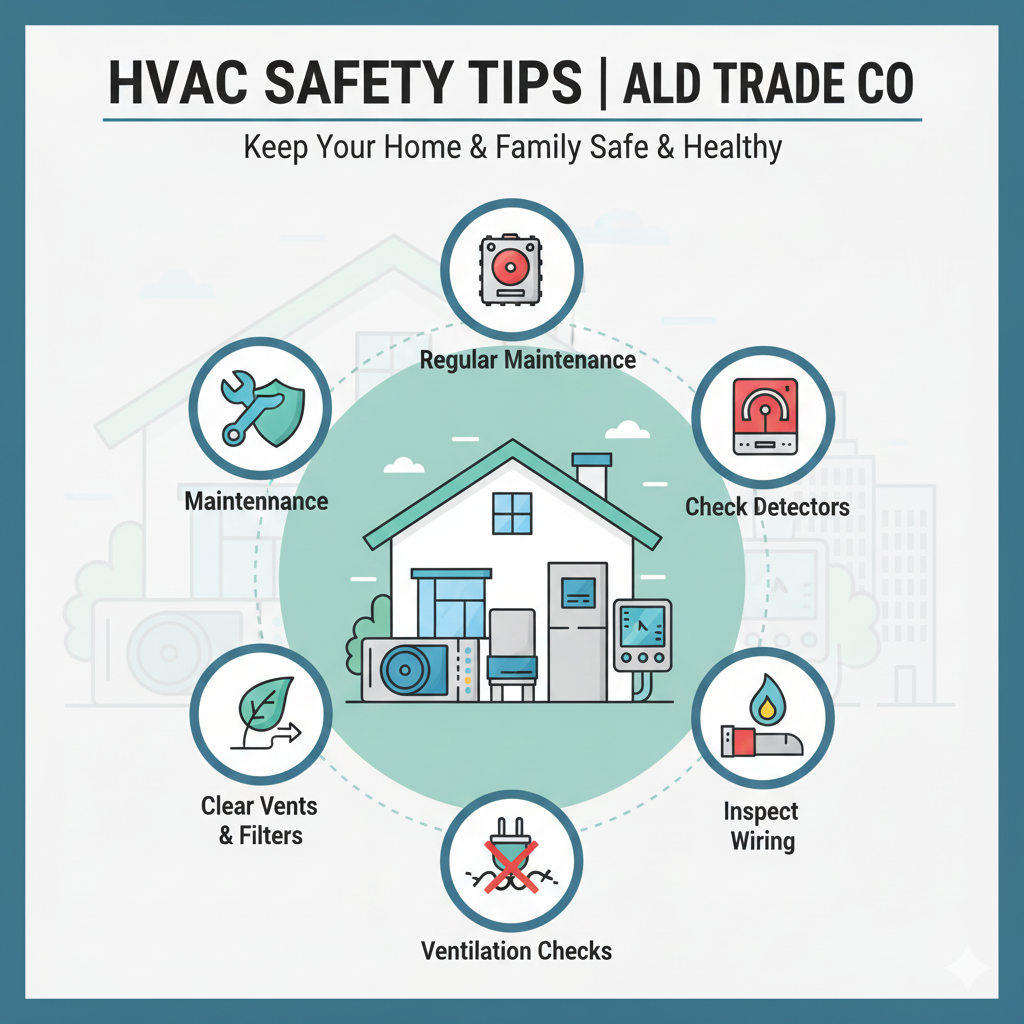
Regular HVAC Maintenance Prevents Major Hazards
Routine inspections are non-negotiable in Delhi’s dusty environment:
- Schedule Biannual Servicing: Clean filters, coils, and ducts before summer and post-monsoon to prevent dust buildup that clogs systems and reduces efficiency.
- Check Refrigerant Levels: Low refrigerant causes compressor overwork, risking explosions or fires. Annual leak detection is mandatory.
- Inspect Electrical Components: Delhi’s voltage fluctuations demand regular capacitor and wiring checks to avoid short circuits.
Fire Safety and Electrical Precautions
HVAC systems are fire risks if neglected:
Follow NBC sequence: Start AHU first, then pumps, towers, chillers for safe operation.
Indoor Air Quality (IAQ) Management
Delhi’s AQI often exceeds 400, making HVAC filtration vital:
- Install HEPA/PM2.5 Filters: Essential for removing pollutants; upgrade to MERV 13+ ratings.
- Maintain 24-25.4°C Set Points: NBC recommends this range with individual thermostats for energy efficiency.
- Ventilation Standards: Ensure minimum air changes per hour; CSIR guidelines suggest adequate openings for bedrooms/offices.
- Humidity Control: Keep 40-60% to prevent mold in humid monsoons.
Under GRAP III, offices must operate at 50% capacity with hybrid models until February 2026, emphasizing clean IAQ.
Installation and Compliance Guidelines
- NBC 2016 Compliance: Duct sealing with mastics/gaskets for <500 Pa pressure; insulate flexible ducts to R-value 1.0.
- Professional Certification: Use licensed HVAC contractors familiar with Delhi fire codes.
- Zoning Controls: Divide large offices into zones to prevent overcooling and energy waste.
Emergency Preparedness and Training
- Evacuation Plans: Include HVAC shutdown procedures in fire drills.
- Staff Training: Educate on reporting unusual odors, smoke, or reduced airflow.
- Backup Systems: Install UPS for critical fans during power cuts.
- Monitoring Tools: Use IoT sensors for real-time IAQ and temperature alerts.
Delhi-Specific HVAC Challenges & Solutions
Delhi’s AQI extremes (often 300-500) demand specialized precautions:
- Pollution Filtration Upgrades: Install UV-C disinfection or bipolar ionization per CSIR guidelines to neutralize viruses and VOCs.
- GRAP Compliance: Under Stage III (AQI >400), ensure 50% capacity with enhanced ventilation (15-20 CFM/person); hybrid work mandates clean return air.
- Monsoon Prep: Waterproof outdoor units; check corrosion on condenser fins from acidic rain.
- Power Backup Integration: UPS for AHUs during frequent outages; test generator transfer switches quarterly.
Cost of HVAC Safety Neglect vs. Prevention
Partner with Experts: ALD TRADE CO for Delhi Office HVAC Safety
Navigating Delhi’s HVAC regulations requires trusted partners. ALD TRADE CO specializes in commercial HVAC safety compliance:
- NBC/Guidelines audits and certifications
- Advanced filtration for pollution control
- Fire-safe installations with proper sealing/insulation
- 24/7 emergency response for breakdowns
- Customized maintenance contracts for offices
Secure your Delhi office HVAC system today—contact ALD TRADE CO for a free safety assessment!
Call: +91-9211392655 / +91-7827748956
Visit: www.aldtradeco.com
Outbound Resources
Implementing these HVAC safety tips ensures Delhi offices meet regulatory standards, protect employee health, and avoid liabilities. Prioritize compliance with NBC, regular audits, and expert partnerships like ALD TRADE CO for safe, efficient cooling in 2026 and beyond. Regular safety focus saves lives, money, and reputations.